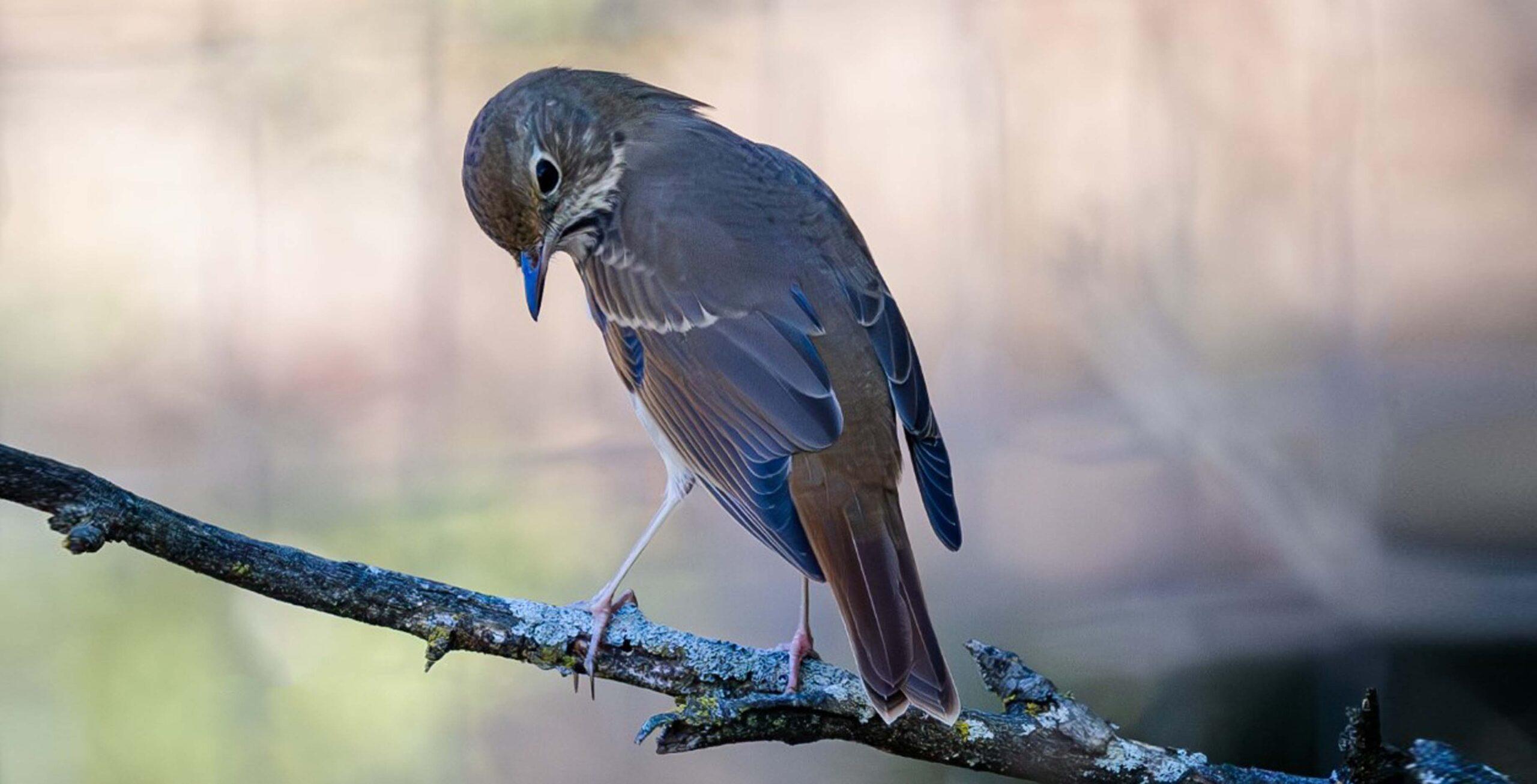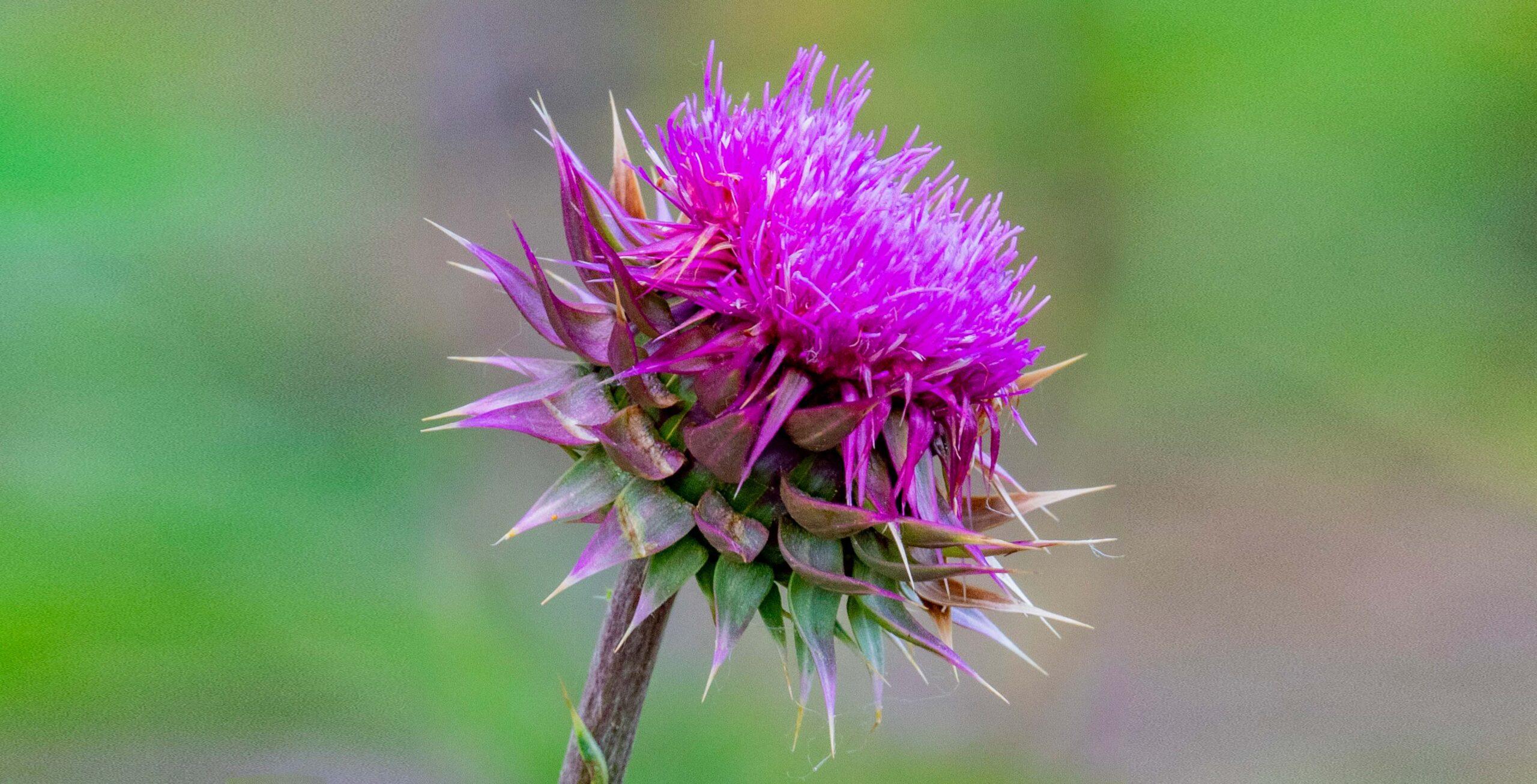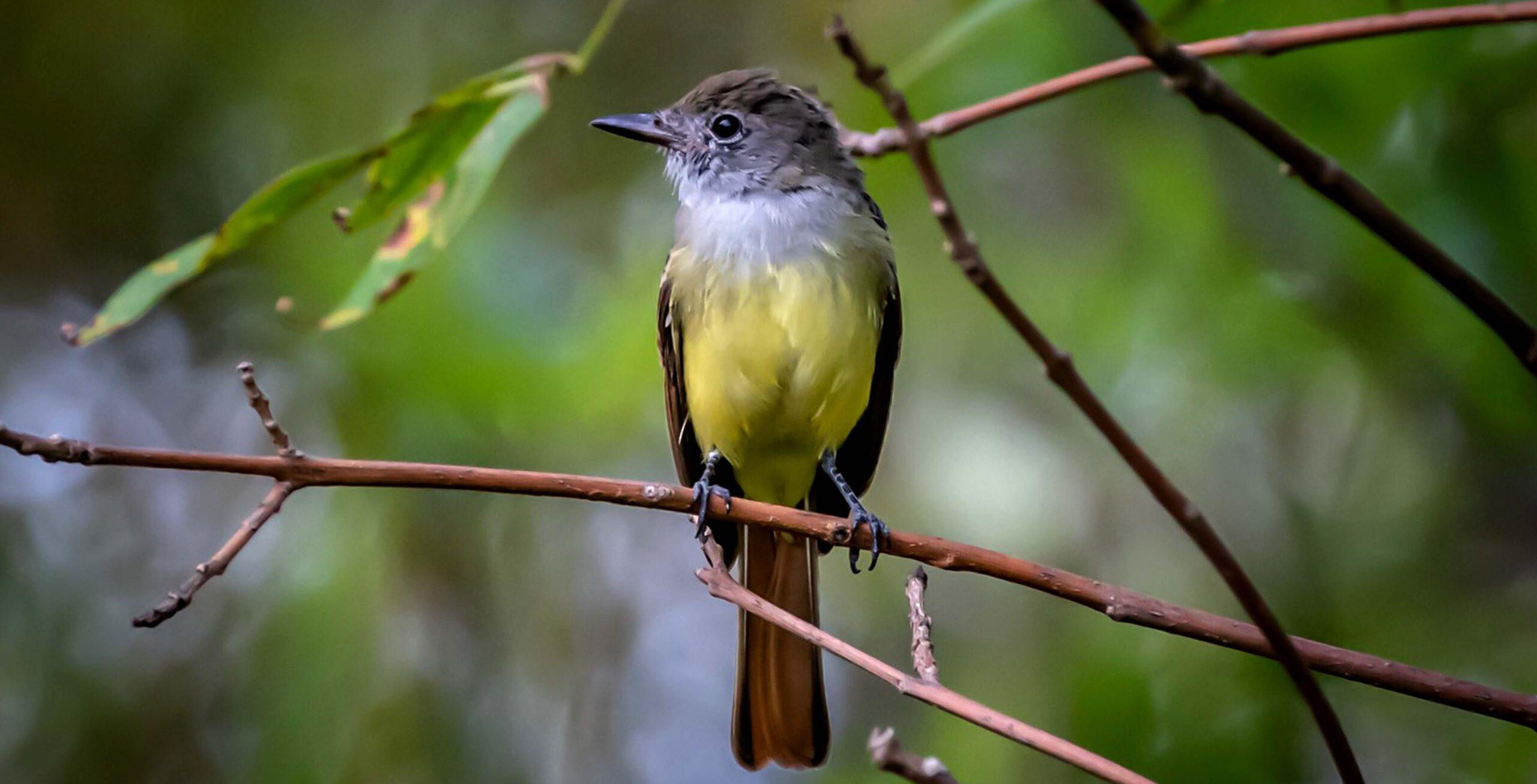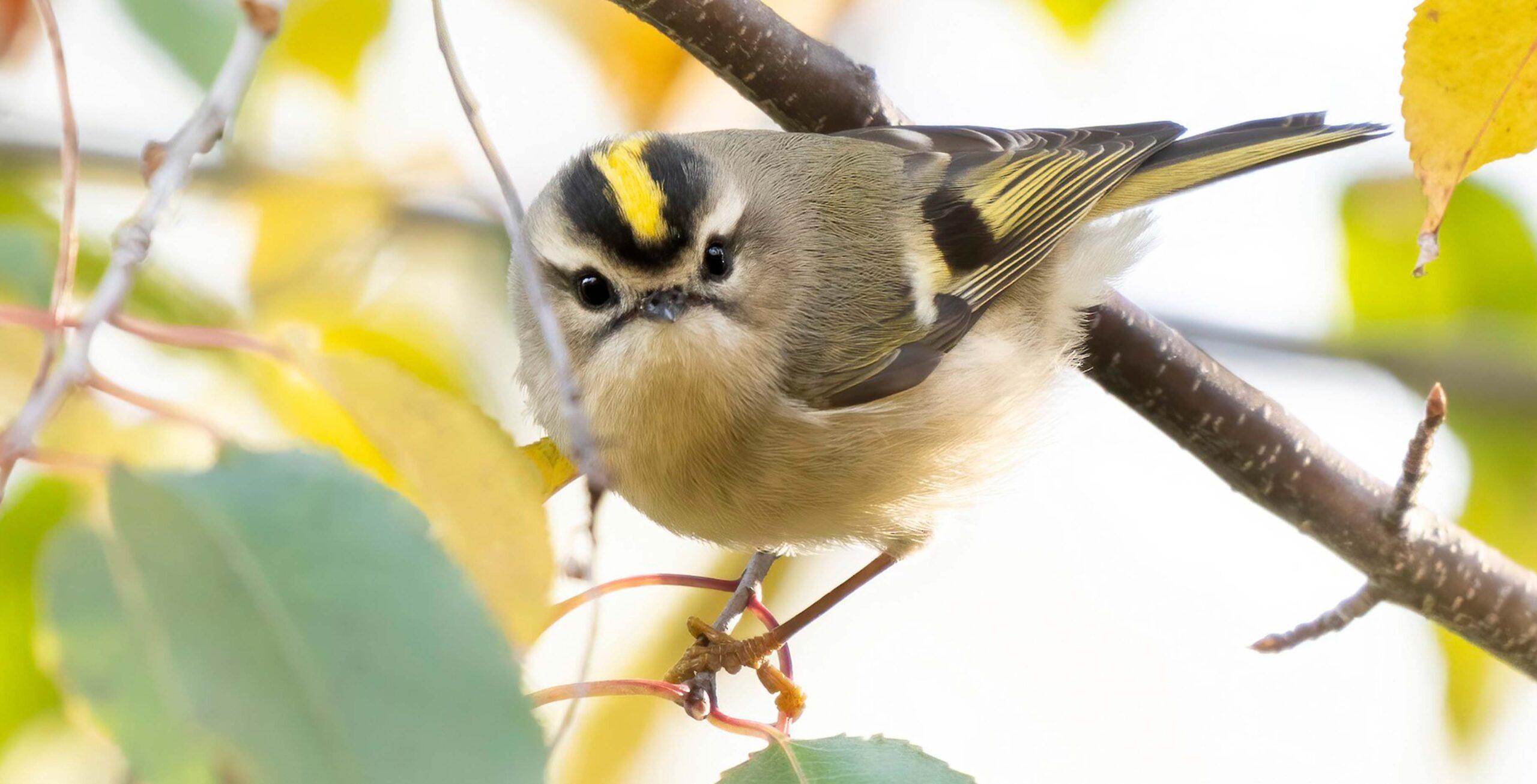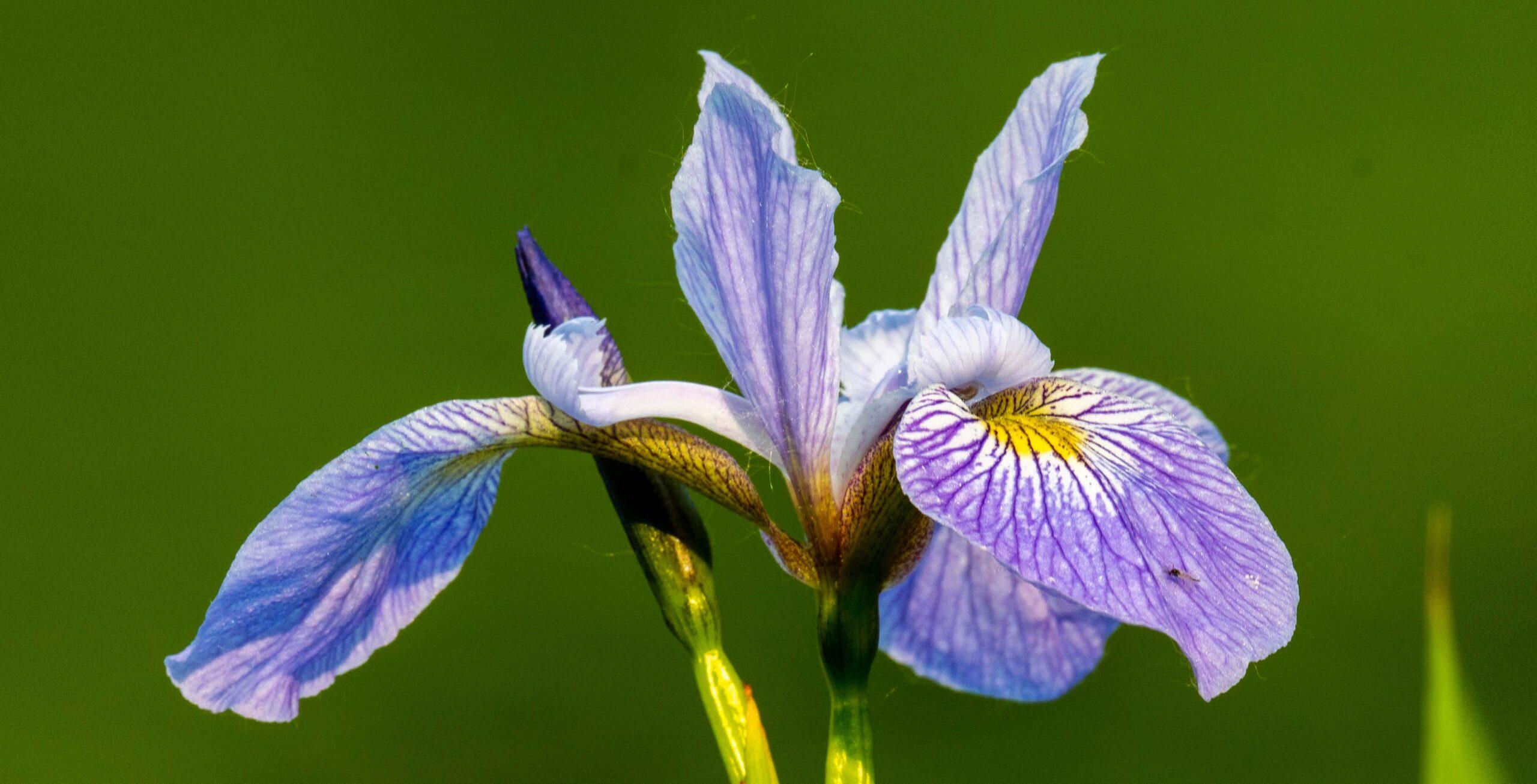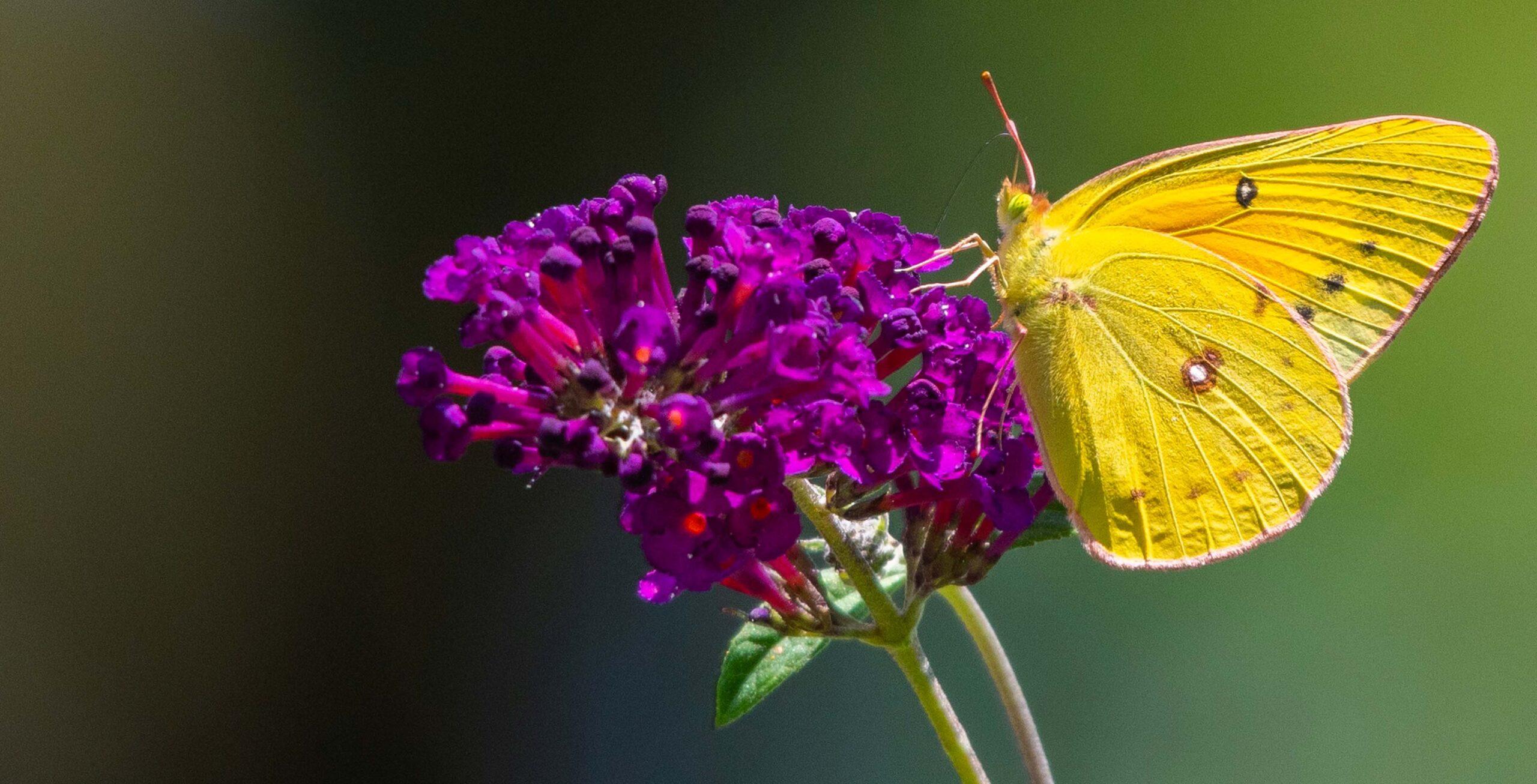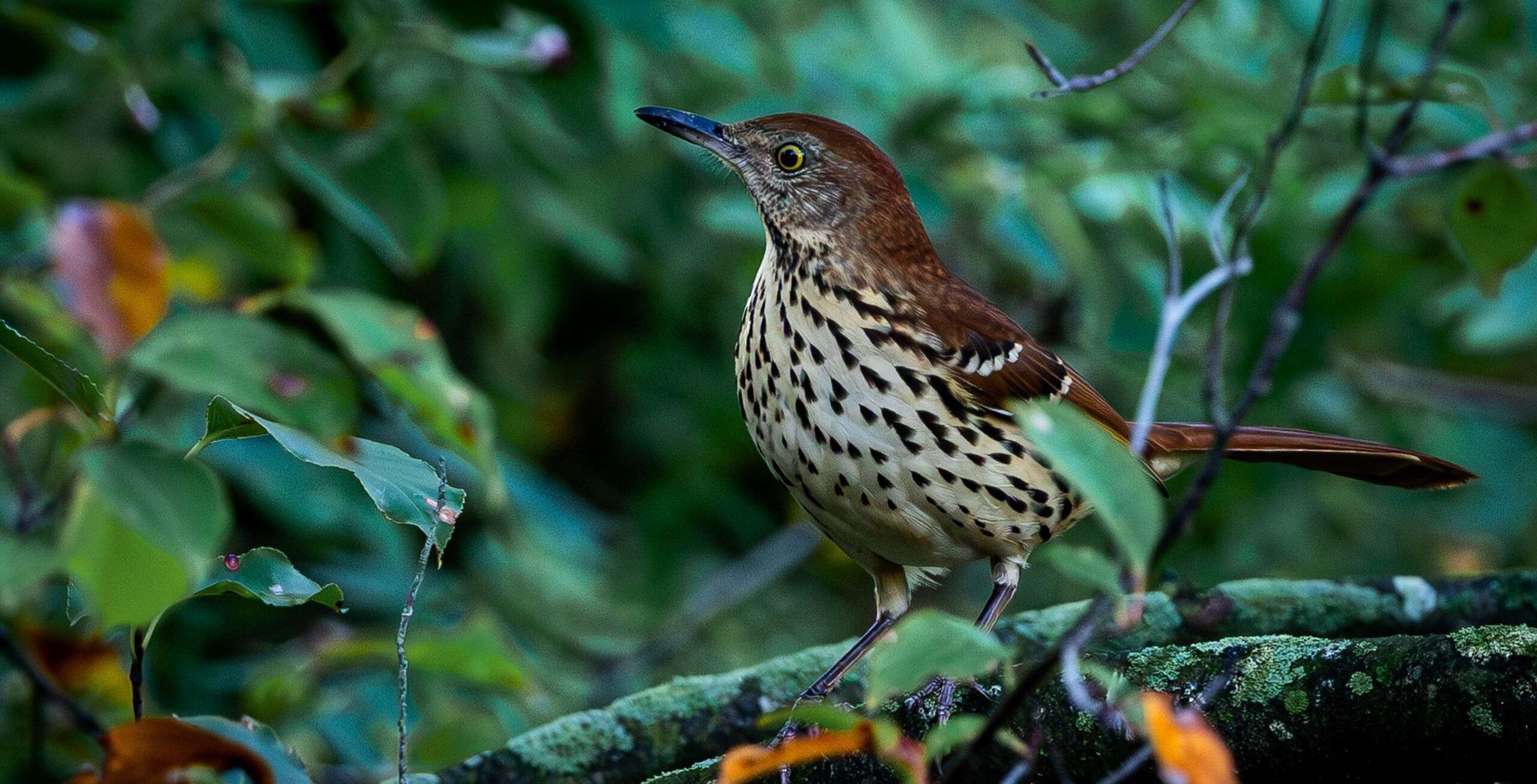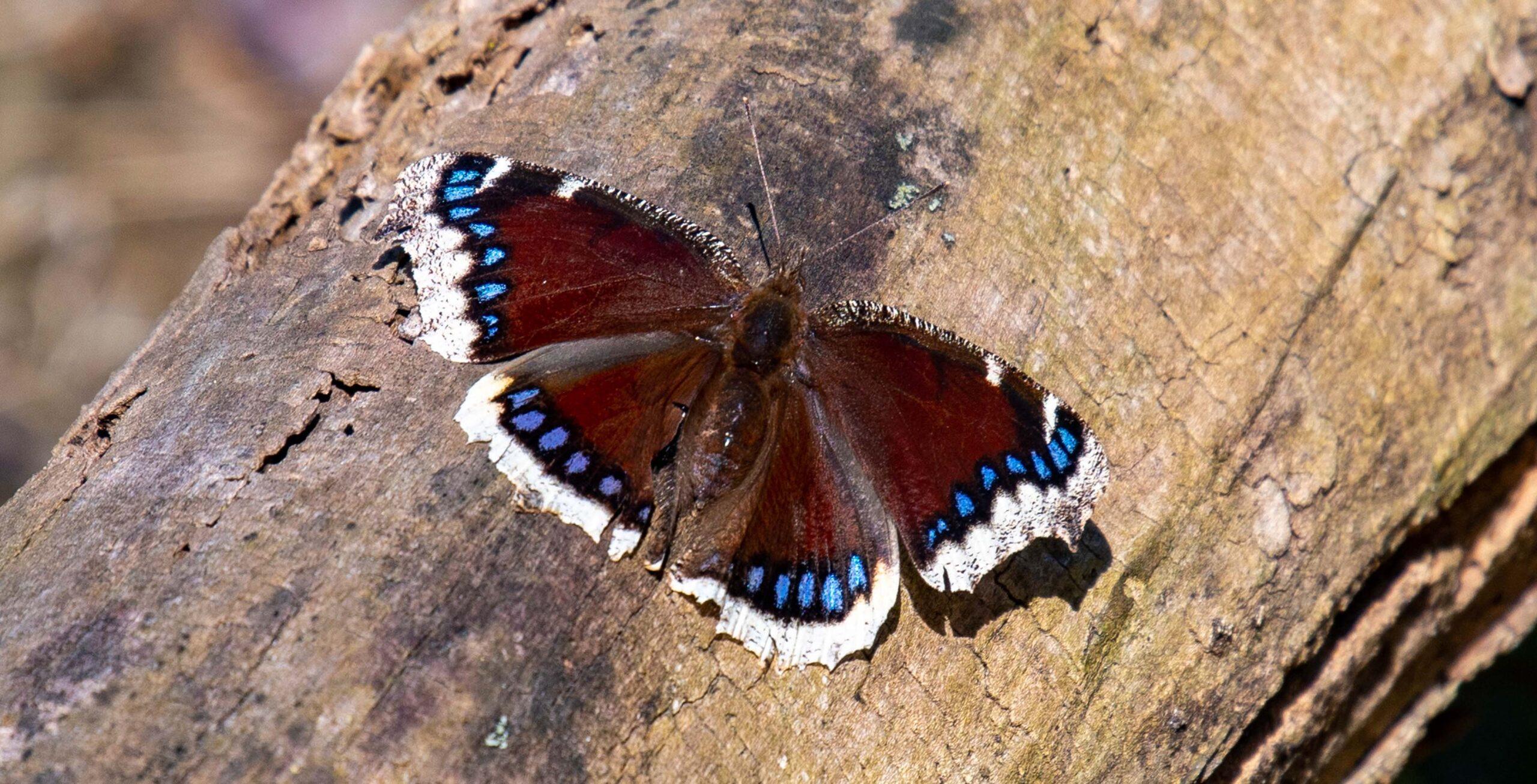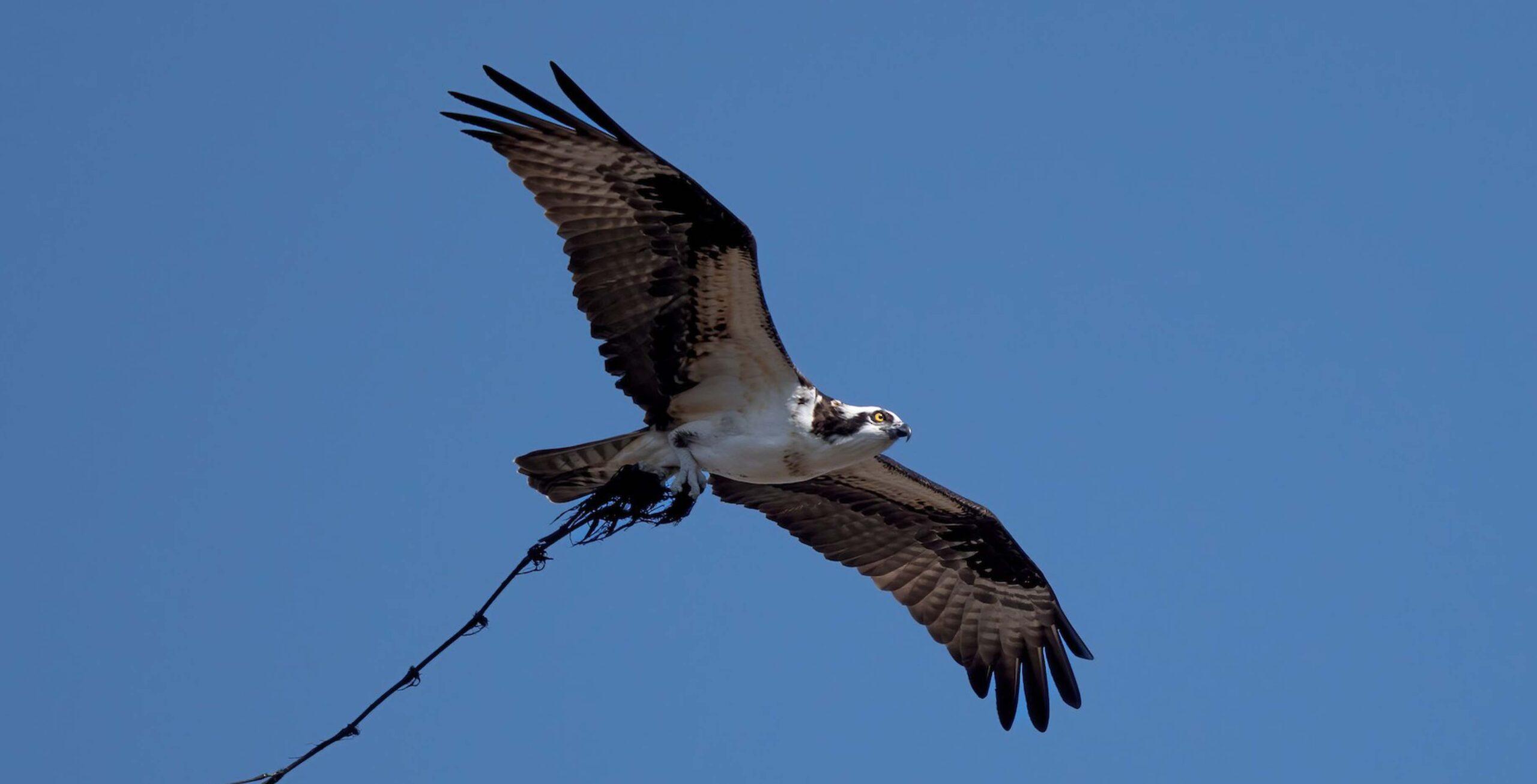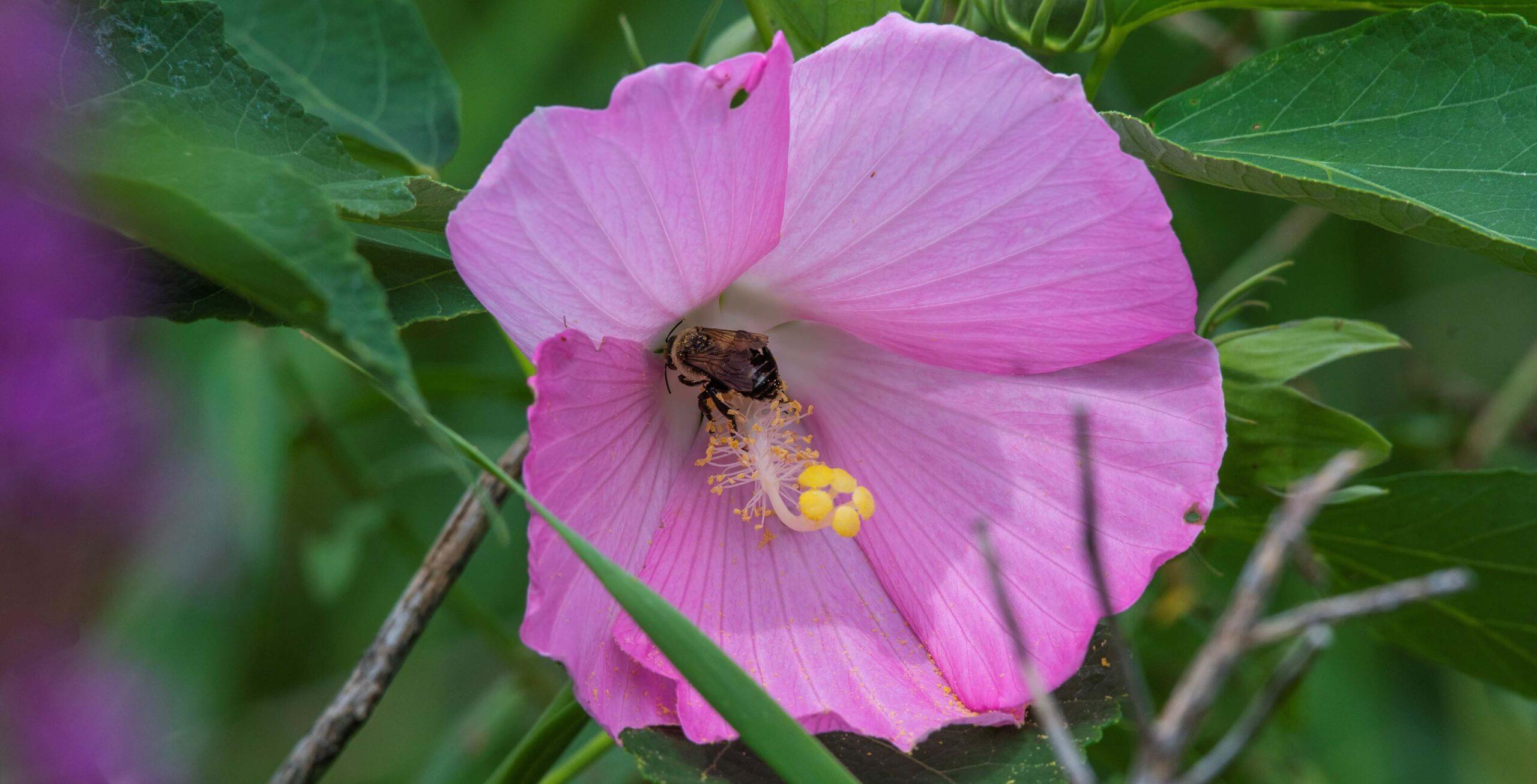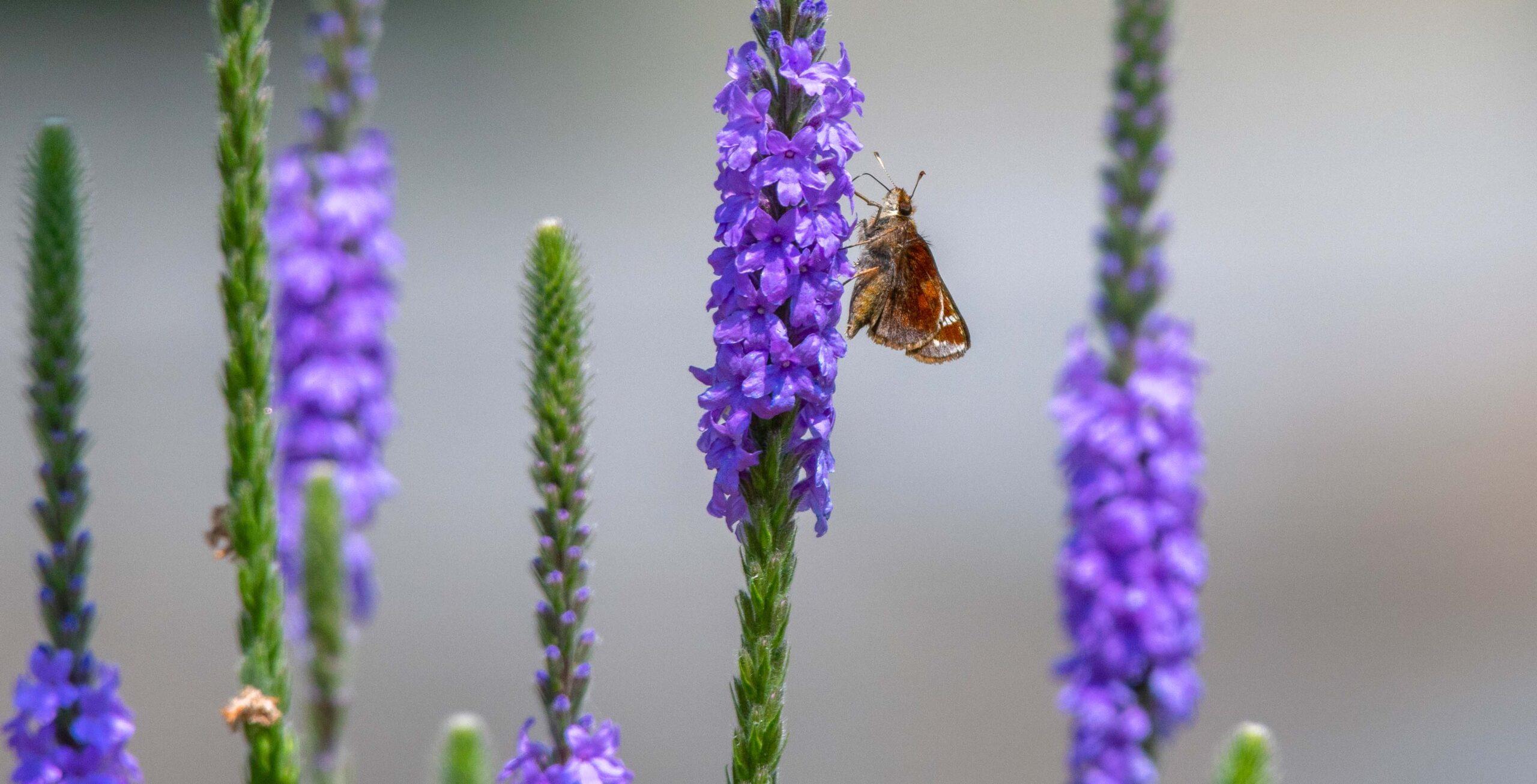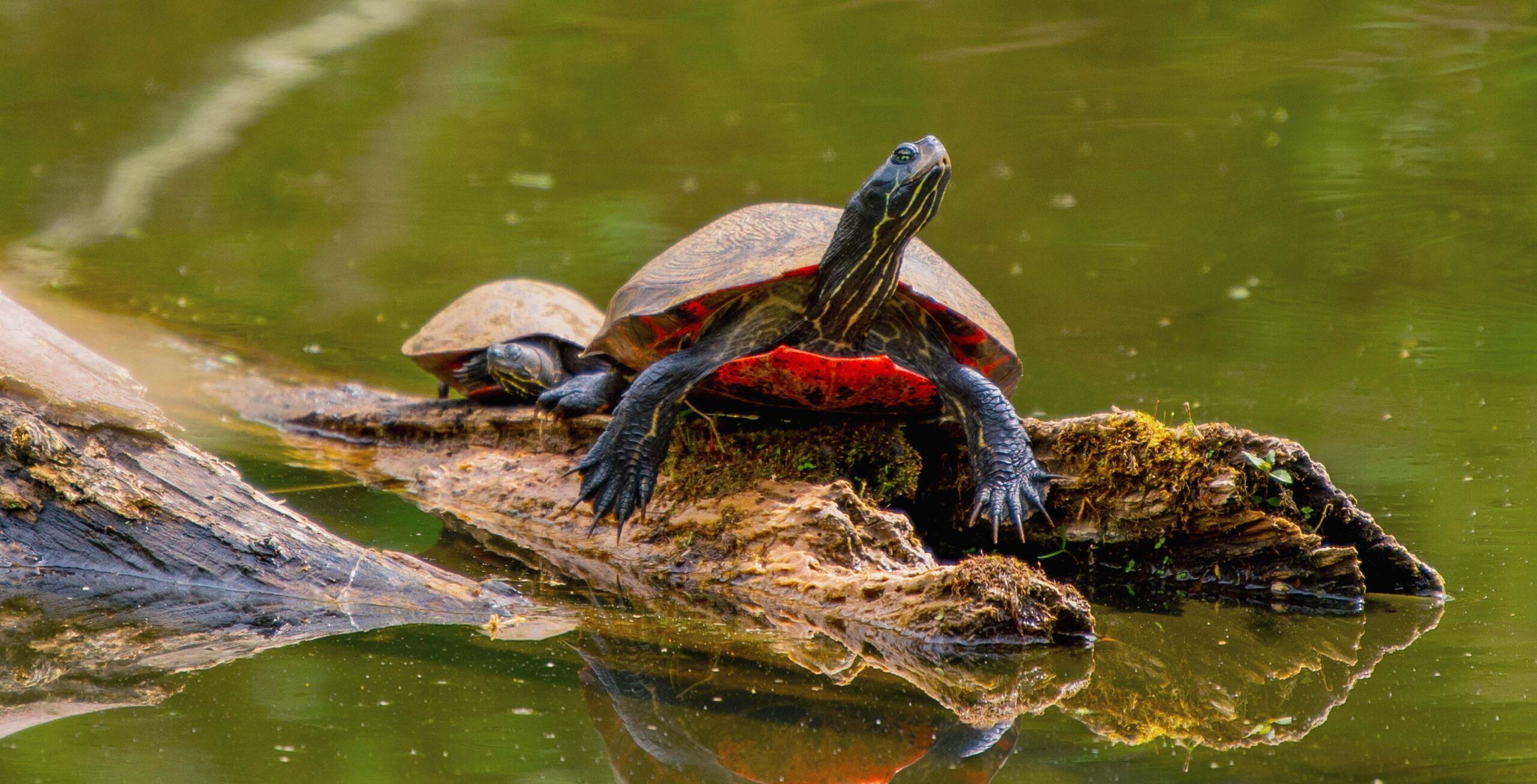

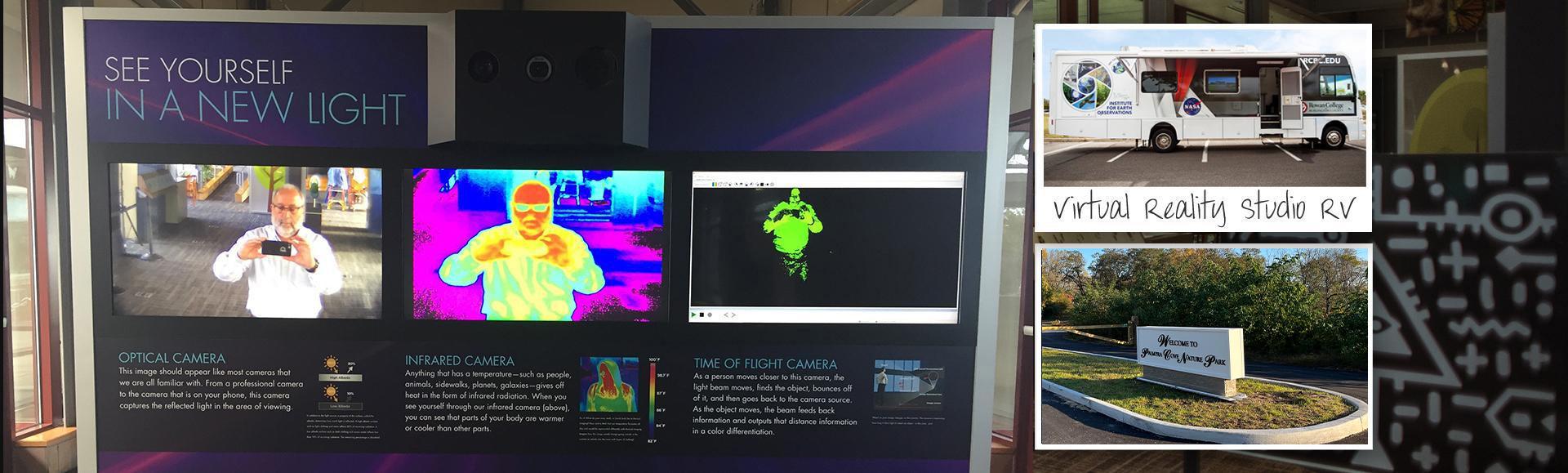


Palmyra Cove is a 250-acre urban oasis along a highly developed area on the Delaware River. Habitats include wetlands, woodlands, meadows, wild creek and river shoreline, and a freshwater Tidal Cove after which the cove is named.
The Institute for Earth Observations at Palmyra Cove is a STEM educational initiative for students and teachers that studies Planet Earth. This is a unique and engaging facility where experiences can be shared…and innovative collaboration begins!
PLAN YOUR VISIT
|
Environmental STEM Center: Open 9 AM to 4 PM M-F (closed on weekends and major holidays) Admission: Free No Restrooms or Water Fountains available on Weekends |
Outdoor Nature Park: Open Dawn to Dusk Daily Admission: Free No Drones, Bikes, Dogs, or Smoking Permitted in the Park |
FALCON CAM
Peregrine Falcons have been observed visiting the Tacony-Palmyra Bridge nesting box on a daily basis throughout this past winter. Typically nesting in Early March, Females lay 2-3 eggs in a simple gravel nest which hatch after roughly 30 days. The Male and Female both hunt and feed their young, alternating between keeping watch at the nest and hunting for pigeons and/or waterfowl. Young falcons will begin to wander and explore the surrounding area at 3-4 weeks of age, before fledging three weeks later.
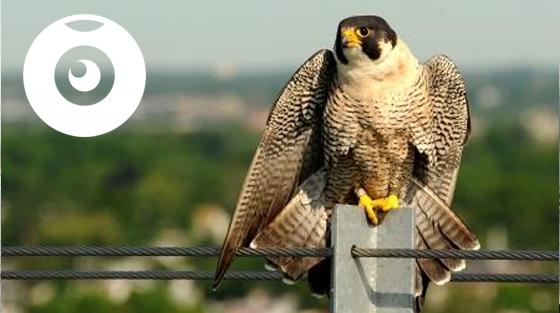
Get a birds-eye view of the peregrine falcon nesting boxes atop the Tacony-Palmyra and Burlington-Bristol Bridges!
Peregrines have been successfully nesting in those boxes since 2008 and 2009, respectively. Thanks to video cameras focused on the nesting boxes, Peregrine Falcons can be observed nesting on the top of the bridges from late March through early June. Take a peek!
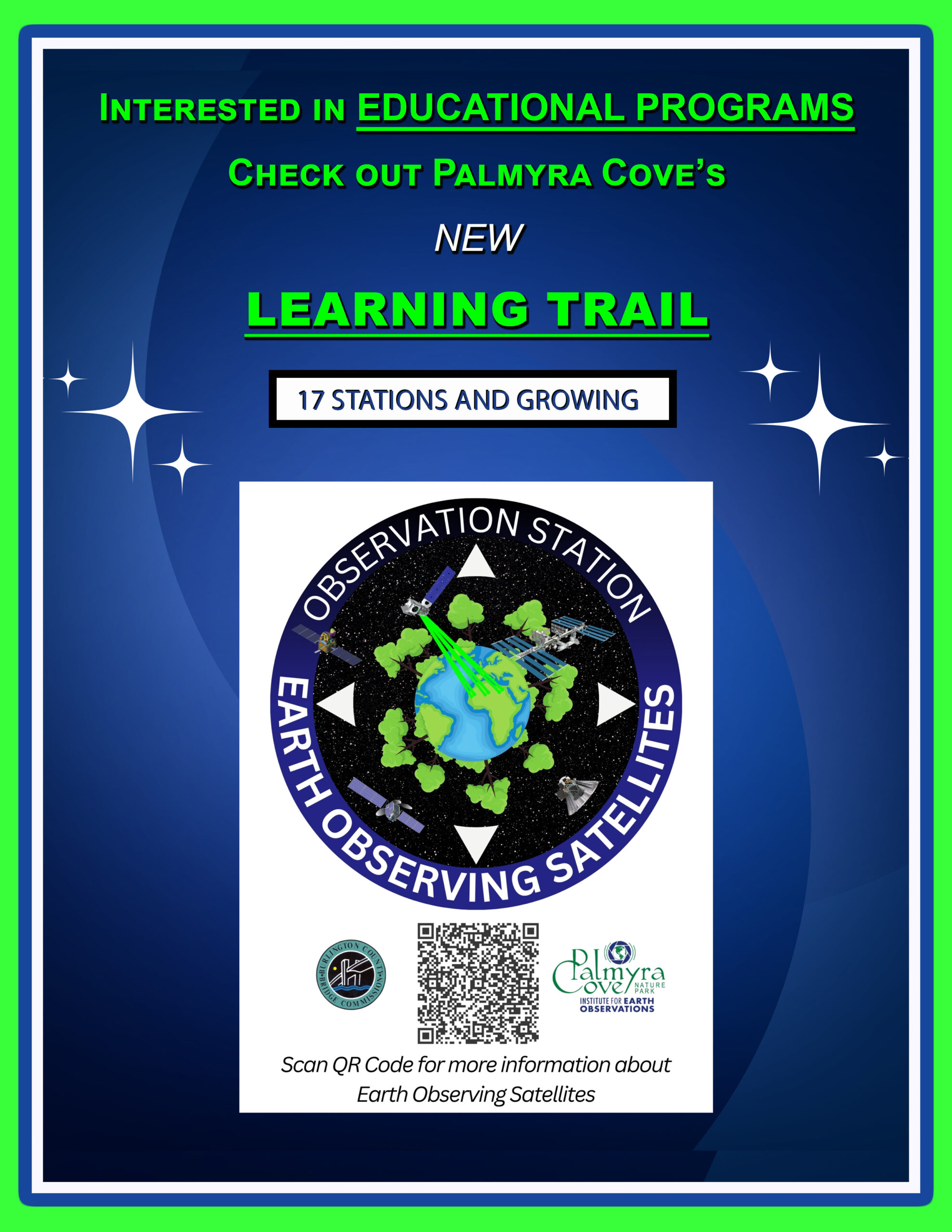

Sponsored by: NASA

Supported by: NSF U.S. DOS


Aquatic Mammals Spotted at the Cove


New Jersey’s Best Family-Friendly Hikes
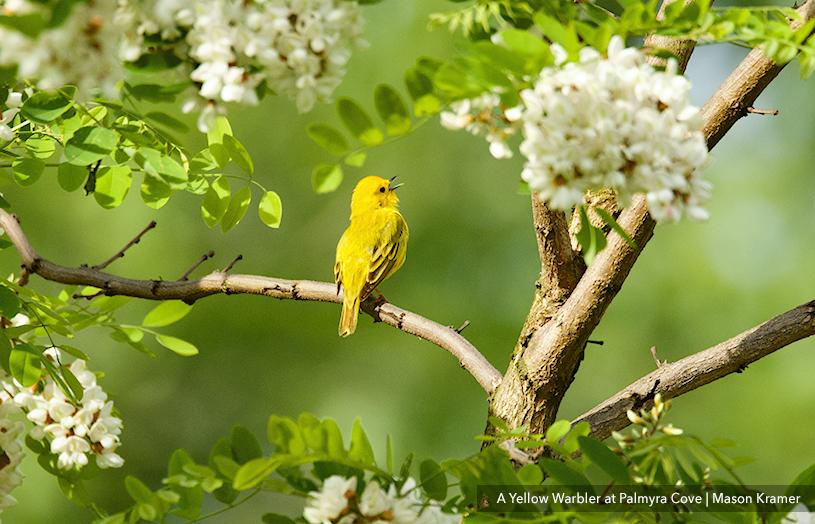
From the panoramic views at High Point State Park to the salt marshes of Galloway, New Jersey’s 4,500 miles of trails are an inspiring source of family fun. The Garden State has some of the best kid-friendly and accessible trails, for everything from bird watching to learning about Revolutionary War history. This sampling of hikes reaches every corner of the state and offers a range of diverse ecosystems. Put the phones and tablets away; grab the sunscreen, insect repellent, and a good walking stick—and go take a hike!
PCNP/IEO Chosen for 2022 NSF Video Showcase!
Earth SySTEM Learning Expeditions!
Calling all parents, students, teachers, and citizen scientists! Come Explore – Investigate – Learn.
See how here…
NATURE PARK OR SCIENCE
(STEM) INSTITUTE?
It’s both!
The only place in the region that couples STEM education and nature!
Come see for yourself…
MAILING-LIST
Be the first to hear our news!
PALMYRA COVE IMAGES